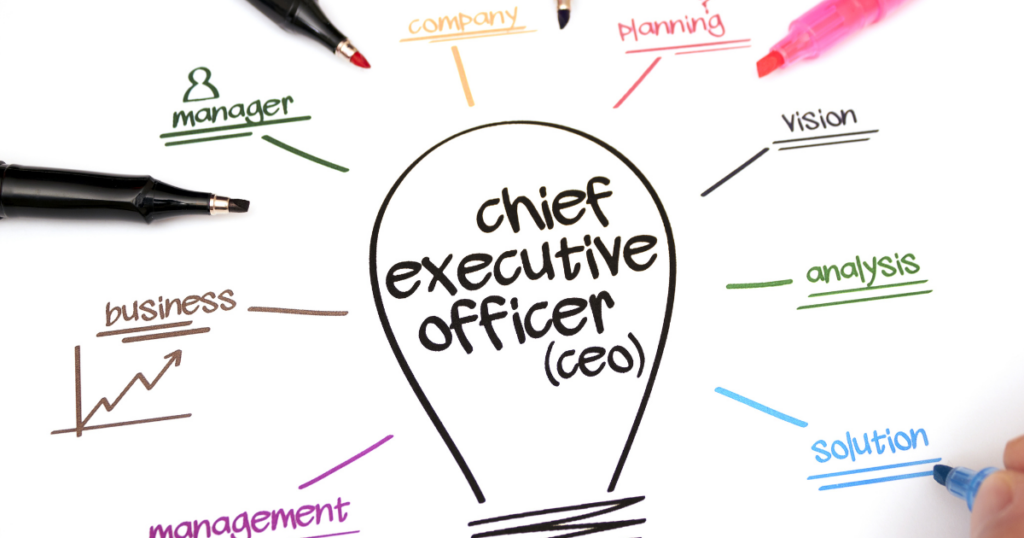
There’s a persistent misunderstanding about what a CEO is actually supposed to do. Too many people – especially those new to leadership – think the role is about control. Sitting at the top, pulling every lever, approving every decision, inserting yourself into every corner of the business. That’s not leadership. That’s bottleneck management with a fancy title.
A CEO is not there to micromanage. Full Stop.
The CEO is there to maximize shareholder value – to grow the business in a sustainable, intelligent way that increases long-term returns. That’s the job. Not hovering over departments. Not rewriting emails. Not demanding to be cc’d on everything. If you’re doing that you’re not leading – you’re slowing the company down.
Strategy Over Control
A competent CEO operates at altitude. Their job is to define directions, not dictate every step.
They answer questions like:
- Where is the company going?
- What markets do we enter or exit?
- How do we allocate capital or maximum return?
They set the strategy and then trust capable people to execute. If you don’t trust your team to make decisions, you’ve already failed at hiring – or you’re too insecure to lead.
Build the Right Team, Then Get Out of the Way
The CEO’s most important operational job is building a strong executive team. That means hiring people who are better than you in their respective domains – and then letting them do their jobs.
Micromanagement is usually a symptom of one of two problems:
- Weak leadership (you don’t know what you’re doing, so you control everything), or
- Weak hiring (you hired people you don’t trust)
Either way, it’s not a strategy – it’s liability.
Great CEO’s create clarity, set expectations, and establish accountability. After that, they step back. They don’t choke the system with approvals and endless check-ins.
Bureaucracy is the Silent Killer.
Nothing kills momentum like bureaucracy. Layers of approval. Endless meetings. Decision paralysis dressed up as “process.”
A CEO who allows bureaucracy to take root is actively destroying shareholder value. Why? Because speed matters. Opportunity doesn’t wait for your internal paperwork to clear.
The best CEOs strip things down:
- Fewer layers
- Faster decisions
- Clear ownership
They don’t confuse complexity with professionalism. If anything, the more complex your internal systems become, the more likely you are to fall behind competitors who move faster and think clearer.
Focus on Outcomes, Not Activity
Busy doesn’t mean productive. A CEO’s job isn’t to make sure everyone looks busy – it’s to make sure the company is winning.
That means focusing on:
- Revenue growth
- Profitability
- Market position
- Capital efficiency
If you’re measuring performance based on how many greeting were held or how many reports were written, you’ve already lost the plot.
The Bottom Line
A CEO is not a supervisor. They are a strategist, a capital allocator, and a culture setter.
If you’re deep in the weeds of daily operations, something is broken. Either the structure, the people, or your understanding of the role.
The best CEOs don’t run the business line-by-line. They design the system, put the right people in place, and ensure the business delivers results.
No ego. No unnecessary control. No bureaucracy.
Just outcomes.